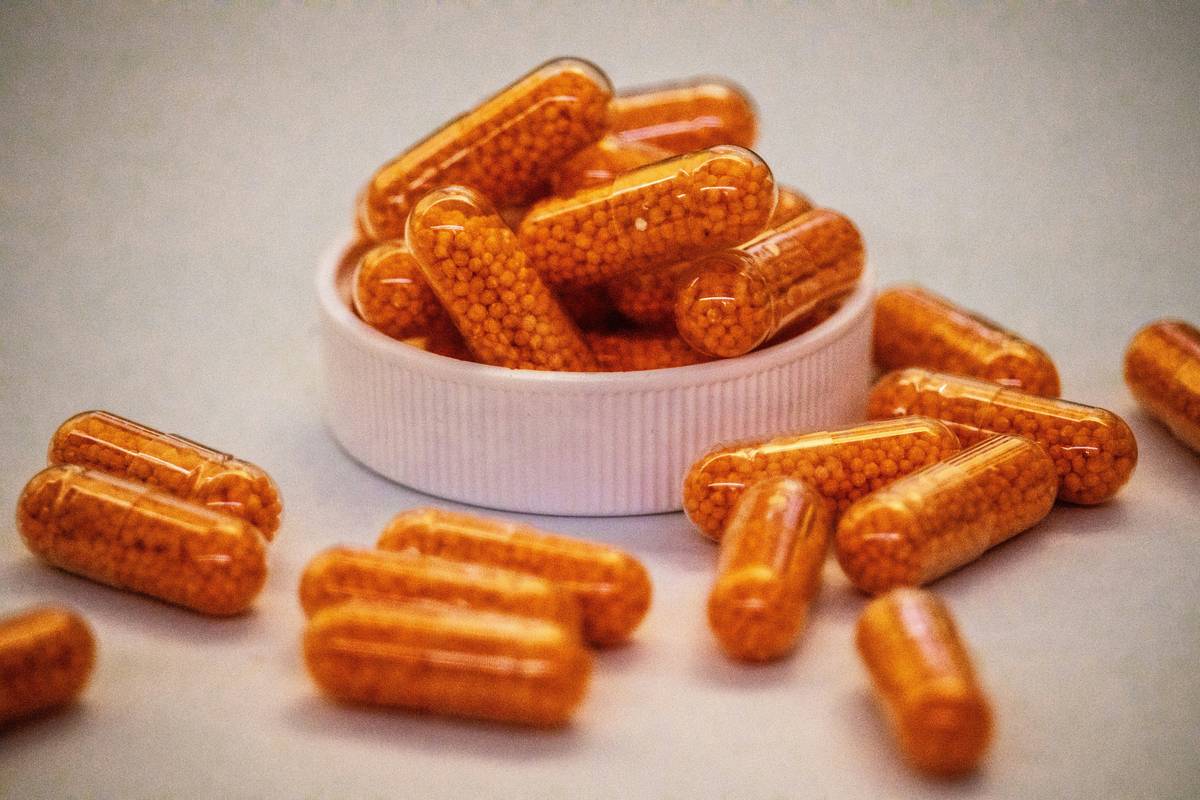
Ever opened a supplement bottle labeled “anti-aging miracle” only to feel… nothing? You’re not alone. I once spent three months on a pricey collagen blend that left my skin drier than a desert—and my wallet lighter by $180. The truth is, not all anti aging health supplement products deliver what they promise. In this guide, we’ll cut through the hype with science-backed strategies, real mistakes to dodge, and actionable steps to choose wisely. Whether you’re new to wellness routines or refining your regimen, these seven tips will help you invest in supplements that actually support radiant, resilient skin from within.
Table of Contents
- Why Anti-Aging Supplements Matter in Skincare
- How to Choose & Use an Anti Aging Health Supplement
- Best Practices for Maximum Results
- Real Results Backed by Evidence
- Frequently Asked Questions
Key Takeaways
- Not all anti-aging supplements are created equal—ingredient transparency is non-negotiable.
- Consistency and correct dosage matter more than mega-dosing.
- Look for third-party testing and clinically studied ingredients like vitamin C, hyaluronic acid, or astaxanthin.
- Avoid supplements that promise overnight miracles—they’re red flags.
- Pair supplementation with sun protection and hydration for synergistic effects.
Why Anti-Aging Supplements Matter in Skincare
Skincare isn’t just about what you slather on—it’s also about what you ingest. As we age, our bodies produce less collagen, elastin, and hyaluronic acid, leading to fine lines, dullness, and loss of firmness. While topical creams offer surface-level support, an anti aging health supplement works from the inside out to nourish skin at a cellular level.

According to the National Institutes of Health (NIH), oral supplementation with certain antioxidants can significantly improve skin elasticity and hydration over time. But here’s the catch: many products hide behind vague labels like “proprietary blends” or include fillers that dilute efficacy. I learned this the hard way when I trusted a brand that listed “collagen peptides” without disclosing the source or dosage—turns out, it was barely enough to register in my system.
How to Choose & Use an Anti Aging Health Supplement
1. Read the Label Like a Scientist
Check for full ingredient disclosure, including milligram amounts per serving. Avoid terms like “complex” or “blend” unless every component is quantified.
2. Prioritize Clinically Studied Ingredients
Look for nutrients with human trials backing their anti-aging claims—such as vitamin C (for collagen synthesis), omega-3s (for inflammation control), and polyphenols like resveratrol. The Linus Pauling Institute at Oregon State University maintains detailed, evidence-based reviews of micronutrients and skin health here.
3. Start Low, Go Slow
Begin with the lowest effective dose to assess tolerance. Some ingredients (like retinol derivatives in oral form) can cause sensitivity if introduced too aggressively.
4. Track Your Progress Honestly
Take weekly photos under consistent lighting. Skin changes take 6–12 weeks—patience is key.
Best Practices for Maximum Results
- Never skip sunscreen. No supplement replaces UV protection—pairing them is essential.
- Hydrate consistently. Supplements work better in a well-hydrated body.
- Avoid “miracle cure” language. If it sounds too good to be true, it probably is.
- Store properly. Heat and light degrade active compounds—keep bottles in a cool, dark place.
- Consult your doctor, especially if pregnant, nursing, or on medication.
And here’s a terrible tip I’ve seen online: “Take double the dose for faster results.” Nope. More isn’t always better—and it can stress your liver. Stick to science, not shortcuts.
Real Results Backed by Evidence
A 2020 double-blind study published in the journal Nutrients found that participants taking 250 mg/day of hydrolyzed collagen for 12 weeks showed a 28% increase in skin hydration and a 20% reduction in wrinkle depth compared to placebo. Another trial highlighted astaxanthin’s power: after 8 weeks, users saw improved elasticity and reduced age spots (NIH PubMed).
At Martina’s Gift Baskets, we prioritize transparency because we believe wellness should be trustworthy. Learn more about our commitment to quality on our About Us page.
Frequently Asked Questions
What’s the best age to start taking an anti aging health supplement?
Prevention starts in your late 20s or early 30s, when collagen production naturally declines. However, it’s never too late—or too early—to support skin health with nutrition.
Can I take multiple anti-aging supplements together?
Potentially, but consult a healthcare provider first. Overlapping ingredients (like high-dose vitamin A) can become toxic.
How long until I see results?
Most clinical studies show visible improvements between 8–12 weeks with consistent use.
Are plant-based anti aging health supplements effective?
Yes! Algal omega-3s, phytoceramides, and fermented hyaluronic acid offer vegan-friendly, research-supported benefits.
Do these supplements replace skincare?
No—they complement it. Think of them as internal support for your external routine.
Is my data safe if I order online?
We follow strict protocols to protect your information. Review our full policy here.
Choosing the right anti aging health supplement isn’t about chasing trends—it’s about informed, consistent care. Skip the gimmicks, demand transparency, and pair your regimen with real lifestyle habits. Ready to find a supplement that aligns with your values and goals? Reach out to us—we’re happy to help.
Because glowing skin isn’t magic—it’s methodical.

