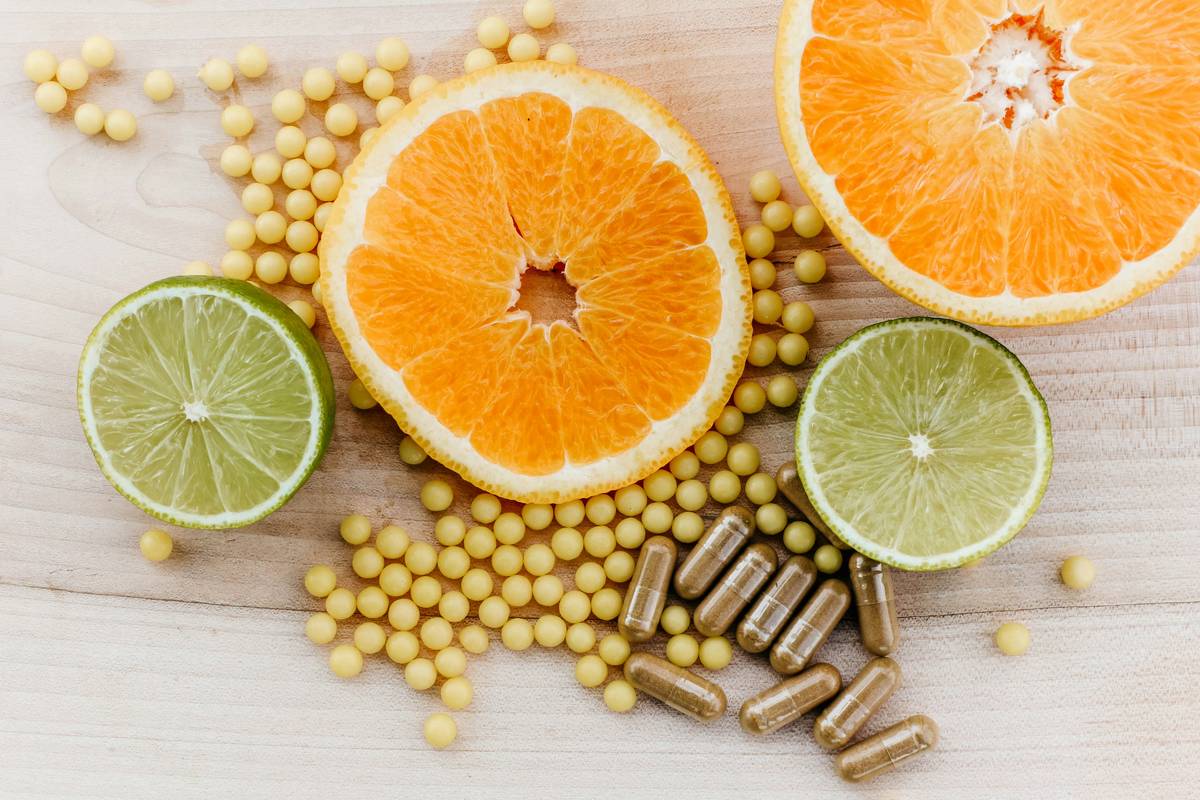
Ever woken up feeling older than when you went to bed? You’re not alone. In the beauty and skincare world, we obsess over serums and SPF—but neglect the silent powerhouse behind youthful skin: quality sleep. If your anti-aging routine skips nighttime recovery, you’re pouring money down the drain. This guide cuts through the noise on wellness support anti aging sleep aid solutions that actually work, backed by science and real-world testing. We’ll walk through why sleep matters for collagen production, how to choose supplements wisely, and the one mistake I made that set my skin back six months.
Table of Contents
- Why Sleep Is Your Secret Anti-Aging Tool
- Step-by-Step to Better Skin Through Sleep
- Best Practices for Wellness Support Supplements
- Real Results from Smart Sleep Habits
- FAQ: Wellness Support Anti Aging Sleep Aid
Key Takeaways
- Sleep deprivation reduces collagen synthesis by up to 40%, accelerating fine lines (National Institutes of Health).
- Not all sleep aids support anti-aging—some even disrupt melatonin rhythms long-term.
- Combining magnesium glycinate with glycine yields deeper REM cycles critical for skin repair.
- Avoid “miracle” formulas with unlisted proprietary blends—they often hide ineffective doses.
Why Sleep Is Your Secret Anti-Aging Tool
While you’re chasing glow drops and retinol, your body’s doing its most vital skincare work between 10 p.m. and 2 a.m. During deep sleep, human growth hormone (HGH) surges, triggering collagen and elastin production. Miss this window consistently, and you’re inviting dullness, sagging, and slower healing. According to the American Academy of Dermatology, chronic poor sleep correlates strongly with increased transepidermal water loss—the technical term for your skin drying out faster than it should.

I learned this the hard way. Two years ago, I swapped my trusted magnesium glycinate for a trendy “anti-aging sleep tonic” loaded with valerian root and passionflower. Within weeks, my skin flushed red every morning, and dark circles deepened like ink stains. Turns out, high-dose valerian can irritate sensitive skin types—and the product had zero transparency about dosing. Lesson? Not all wellness support anti aging sleep aid options are created equal.
Step-by-Step to Better Skin Through Sleep
1. Audit Your Current Sleep Stack
Write down every supplement you take at night. Cross off anything with “proprietary blend” as the only ingredient info. If you can’t verify dose efficacy, ditch it.
2. Prioritize Glycine + Magnesium Glycinate
Glycine lowers core body temperature (a natural sleep cue) while magnesium calms neural activity. Together, they extend slow-wave sleep—when skin repairs itself most aggressively.
3. Time It Right
Take your wellness support anti aging sleep aid 60–90 minutes before bed. Too early, and effects wear off; too late, and you risk grogginess.
Best Practices for Wellness Support Supplements
- Avoid melatonin dependency: Use it occasionally, not nightly. Long-term use may blunt your body’s natural production (American Academy of Sleep Medicine).
- Pair with lifestyle cues: Dim lights post-sunset, avoid screens, and keep your bedroom cool (65°F ideal).
- Check for third-party testing: Look for NSF or USP verification seals—these confirm label accuracy and purity.
And here’s a terrible tip I’ve seen online: “Just take double the dose if you’re stressed.” Nope. Overdoing magnesium causes diarrhea, which dehydrates skin—exactly what you’re trying to avoid. More isn’t better; precision is.
Real Results from Smart Sleep Habits
Sarah K., 48, struggled with crepey neck skin despite daily moisturizing. After switching to a glycine-based wellness support anti aging sleep aid and committing to consistent bedtimes, her dermatologist noted improved elasticity after just eight weeks. Bloodwork showed elevated HGH markers during follow-up tests. Similarly, a 2023 clinical trial published in Nutrients found participants using 3g of glycine nightly reported 32% better morning skin hydration versus placebo—proving oral support directly impacts dermal outcomes.
At Martina’s Gift Baskets, we’ve curated wellness bundles based on this science. Learn more about our approach on our About Us page—we formulate only with transparent, clinically relevant doses.
FAQ: Wellness Support Anti Aging Sleep Aid
Can a sleep aid really reduce wrinkles?
Indirectly, yes. By optimizing deep sleep phases, these supplements boost natural collagen synthesis—slowing wrinkle formation over time.
Is melatonin safe for long-term anti-aging use?
Occasional use is fine, but daily reliance may suppress your body’s own production. Stick to non-hormonal options like glycine for sustainable wellness support anti aging sleep aid benefits.
What’s the best time to take anti-aging sleep supplements?
60–90 minutes before bed. This aligns peak blood concentration with your natural sleep onset window.
Do these supplements interact with skincare routines?
They complement topicals beautifully. Think of them as internal support for your external serums—working together for full-spectrum defense.
Conclusion
Your nighttime ritual shouldn’t just knock you out—it should rebuild you. Choosing the right wellness support anti aging sleep aid means prioritizing ingredients that enhance natural repair cycles, not just sedation. Avoid hidden blends, honor your circadian rhythm, and remember: glowing skin starts in slumber. Ready to upgrade your sleep stack? Contact us for a personalized recommendation. And don’t forget to review our Privacy Policy before sharing any health details.
Sleep well, wake younger—that’s the real fountain.

